
In this issue:
PRINCIPAL'S MESSAGE
As we head into the weekend, I want to take a moment to celebrate the incredible people who make our school a community of excellence and heart.
It is with immense pride and joy that I announce our Rayburn Educator of the Year, Mrs. Jennifer Bailey. Mrs. Bailey has always been a star on our campus. The work she does day in and day out to meet the unique needs of our students is truly immeasurable. She serves as a prime example of our campus mission: to transform the learning experience for all students. Whether she is in the classroom or the hallway, her dedication to student success shines through everything she touches. Mrs. Bailey will be honored by the district at this year’s Educator of the Year ceremony on March 26, 2026, at 6:30 PM at the Northside Gym. If your student has had the privilege of working with Mrs. Bailey, we would love to see you there to support her.
Next Wednesday, our incredible Special Olympics athletes will be competing. I want to wish our students the best of luck. You have always given your all and represented us proudly. We are your biggest fans and will be rooting for you every step of the way.
I hope everyone has a restful and wonderful weekend. We look forward to seeing all of our students back on campus this Monday.
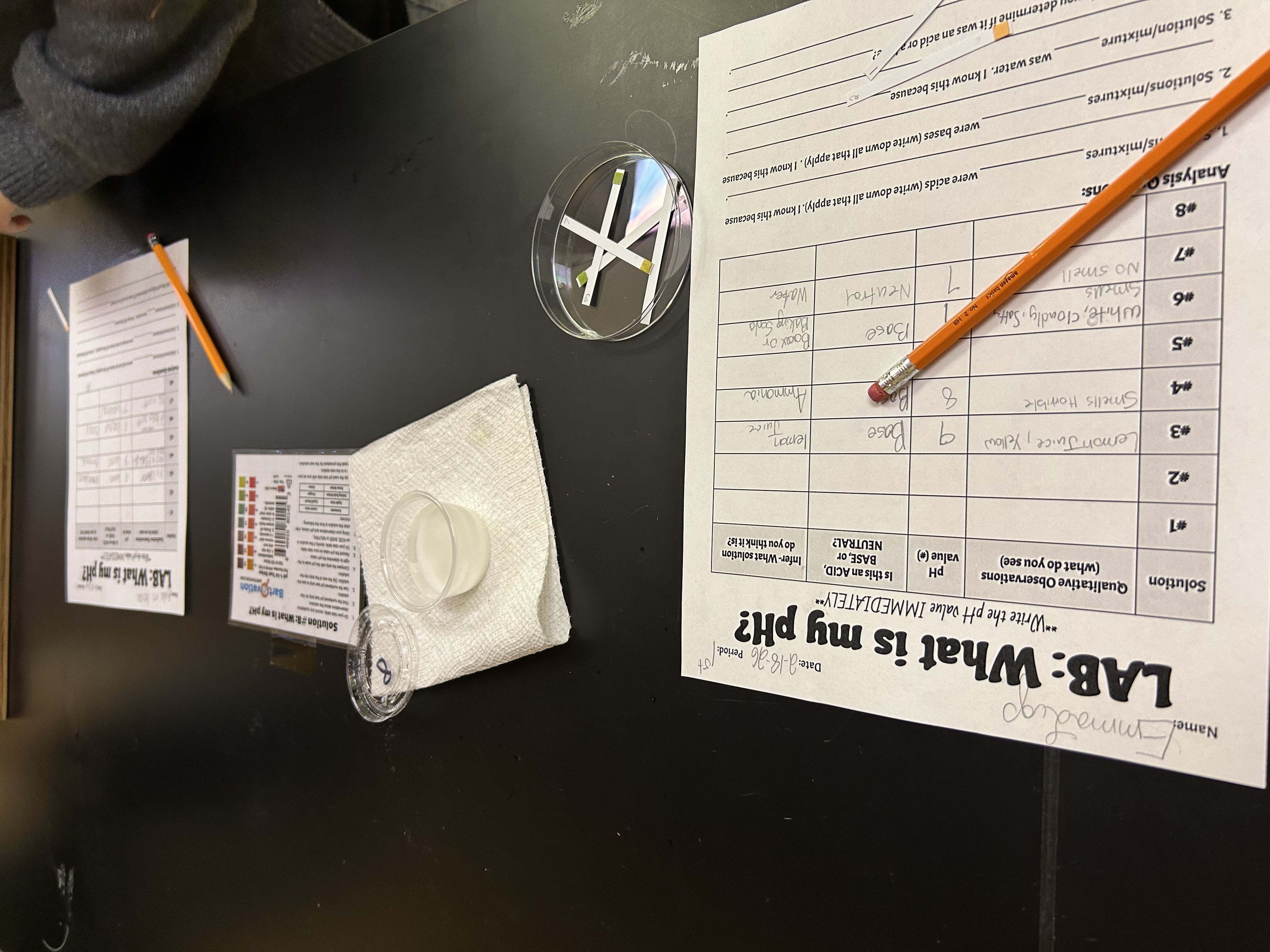
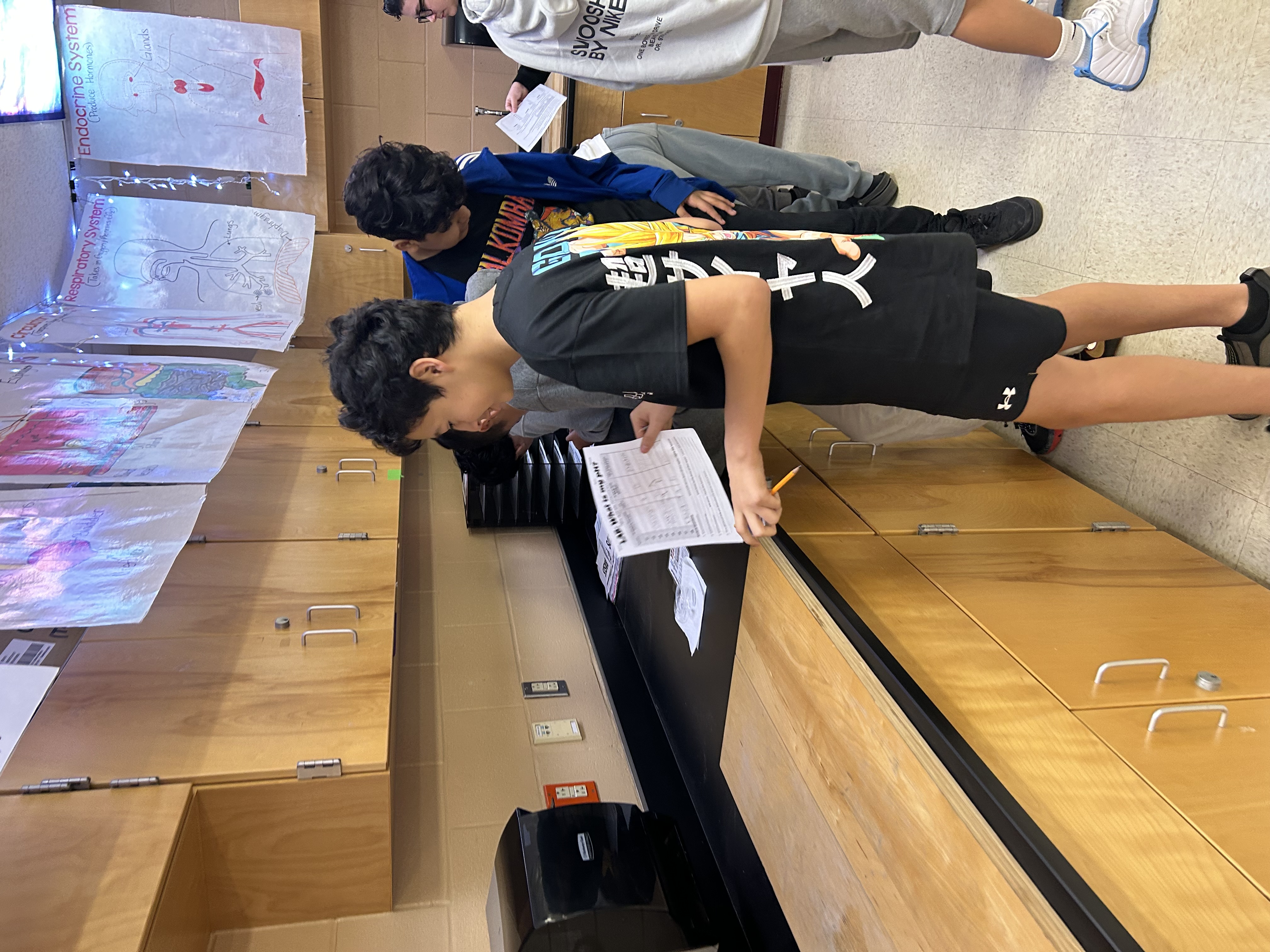
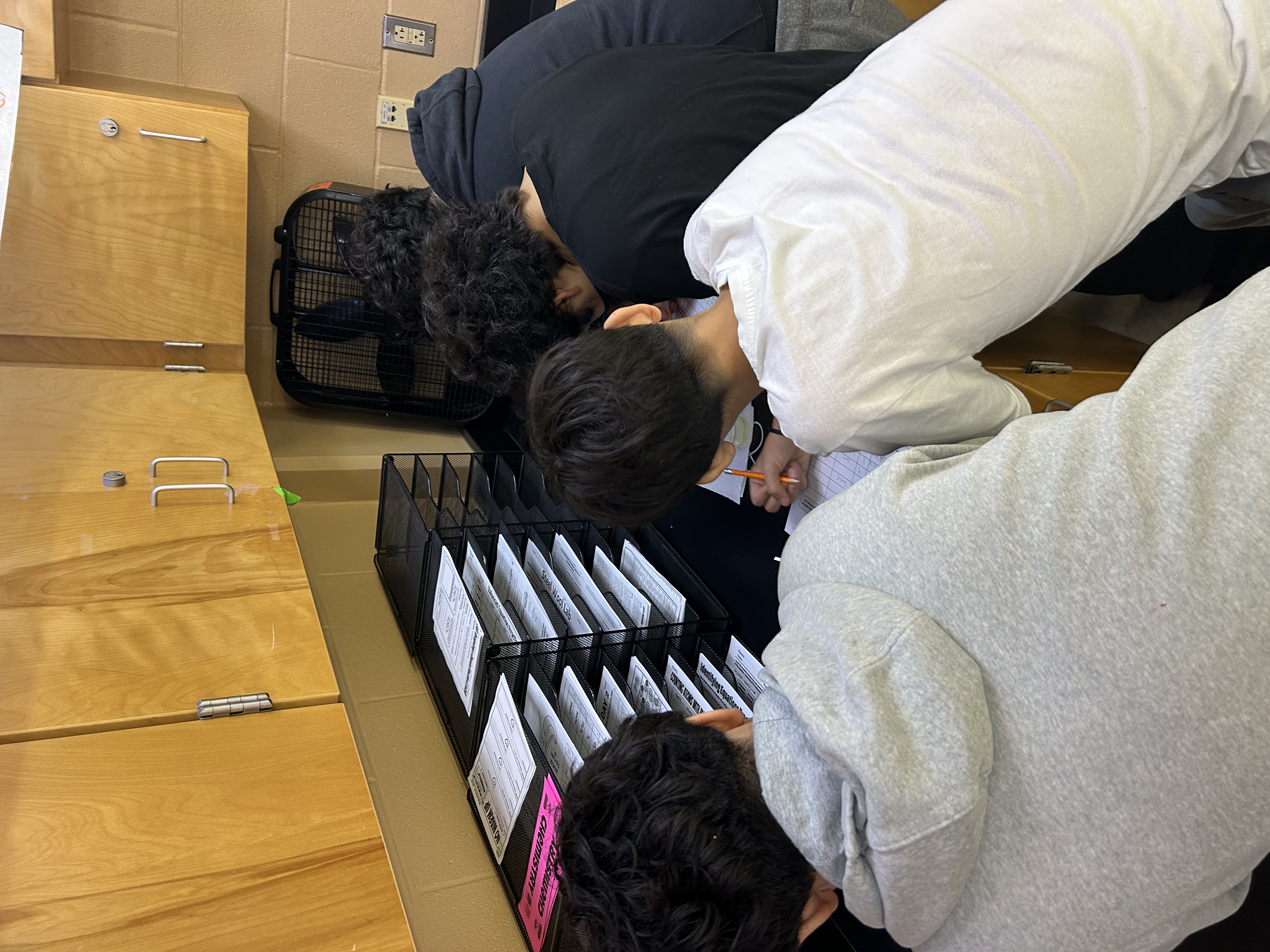
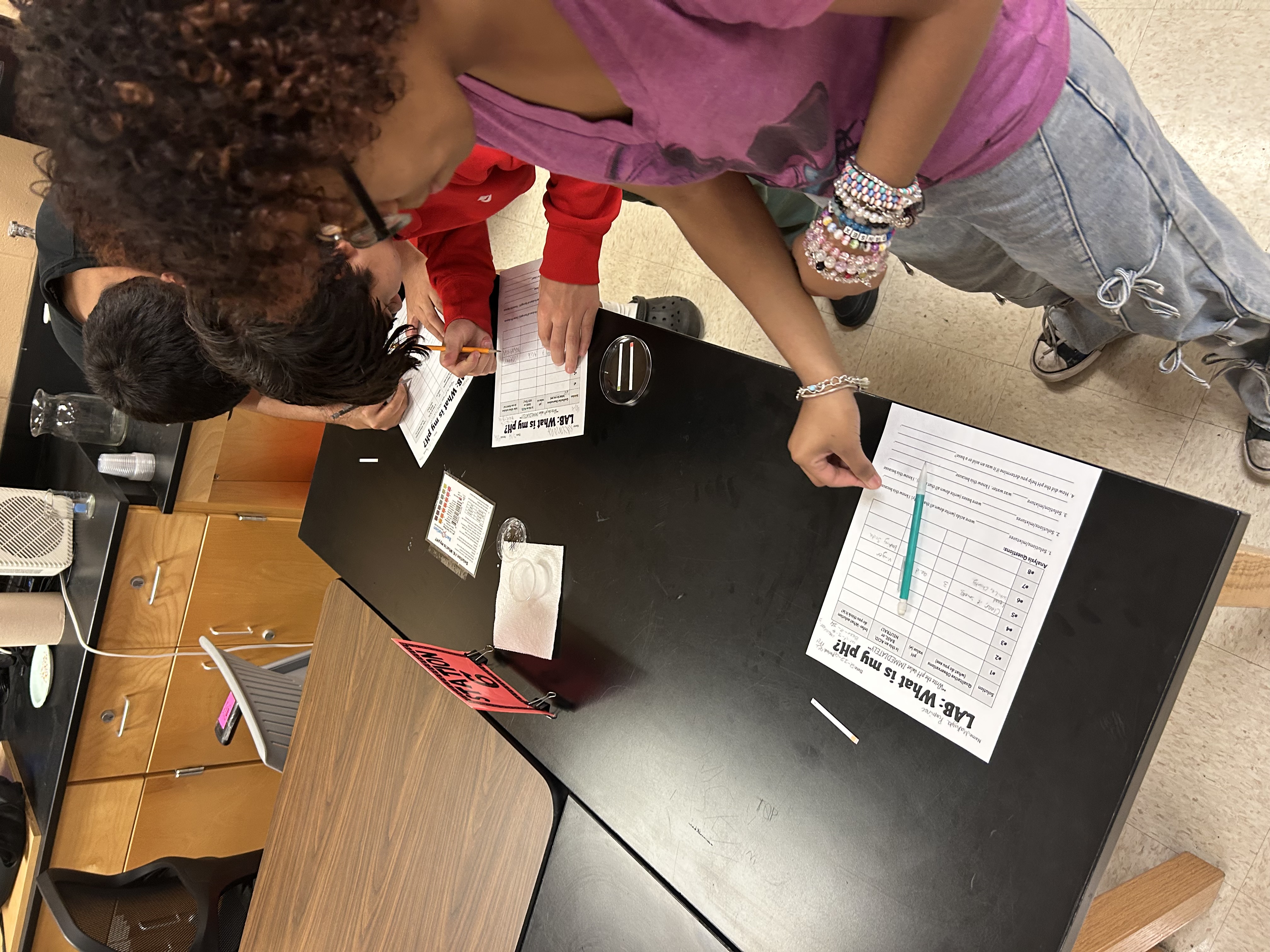
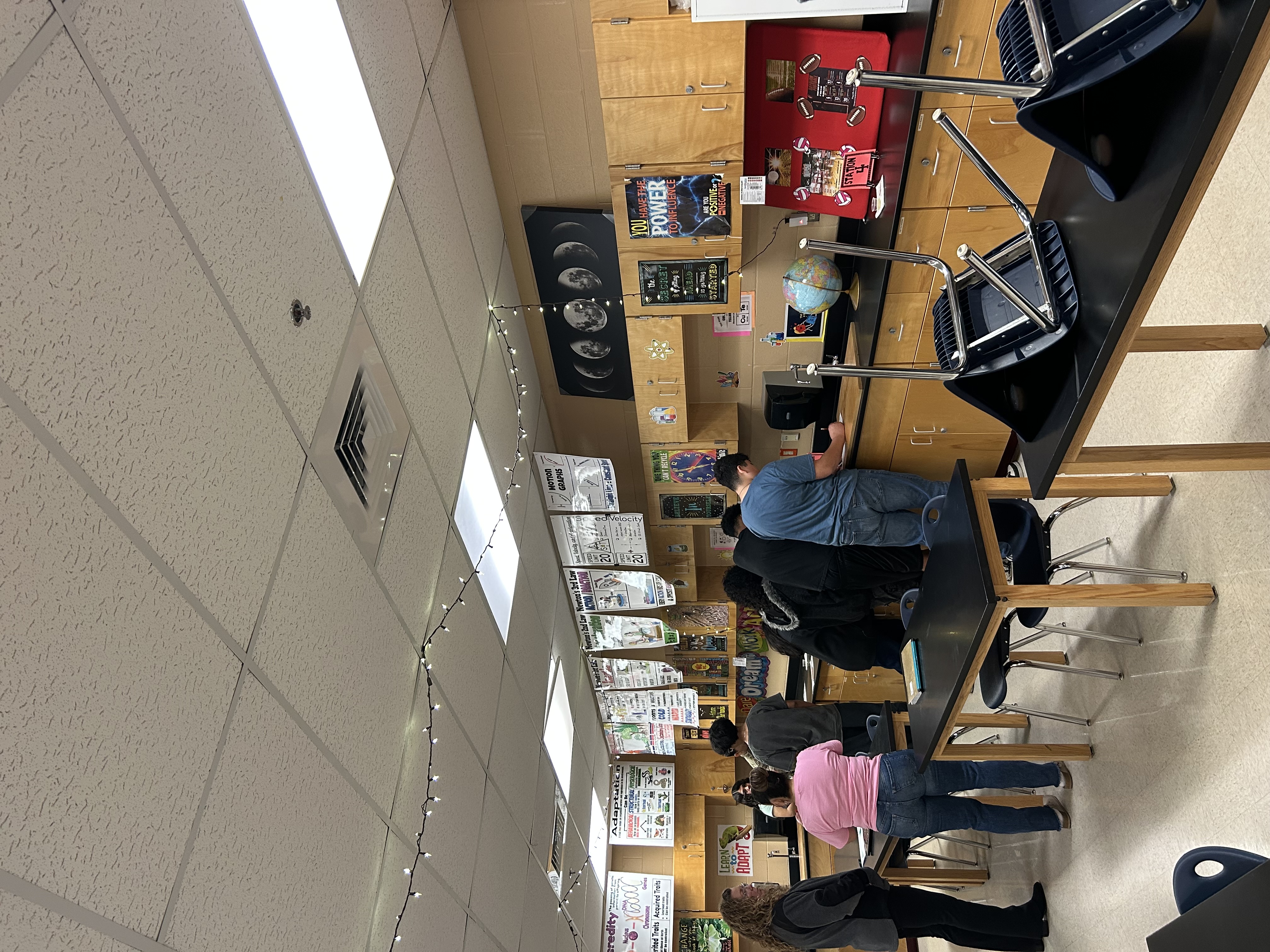
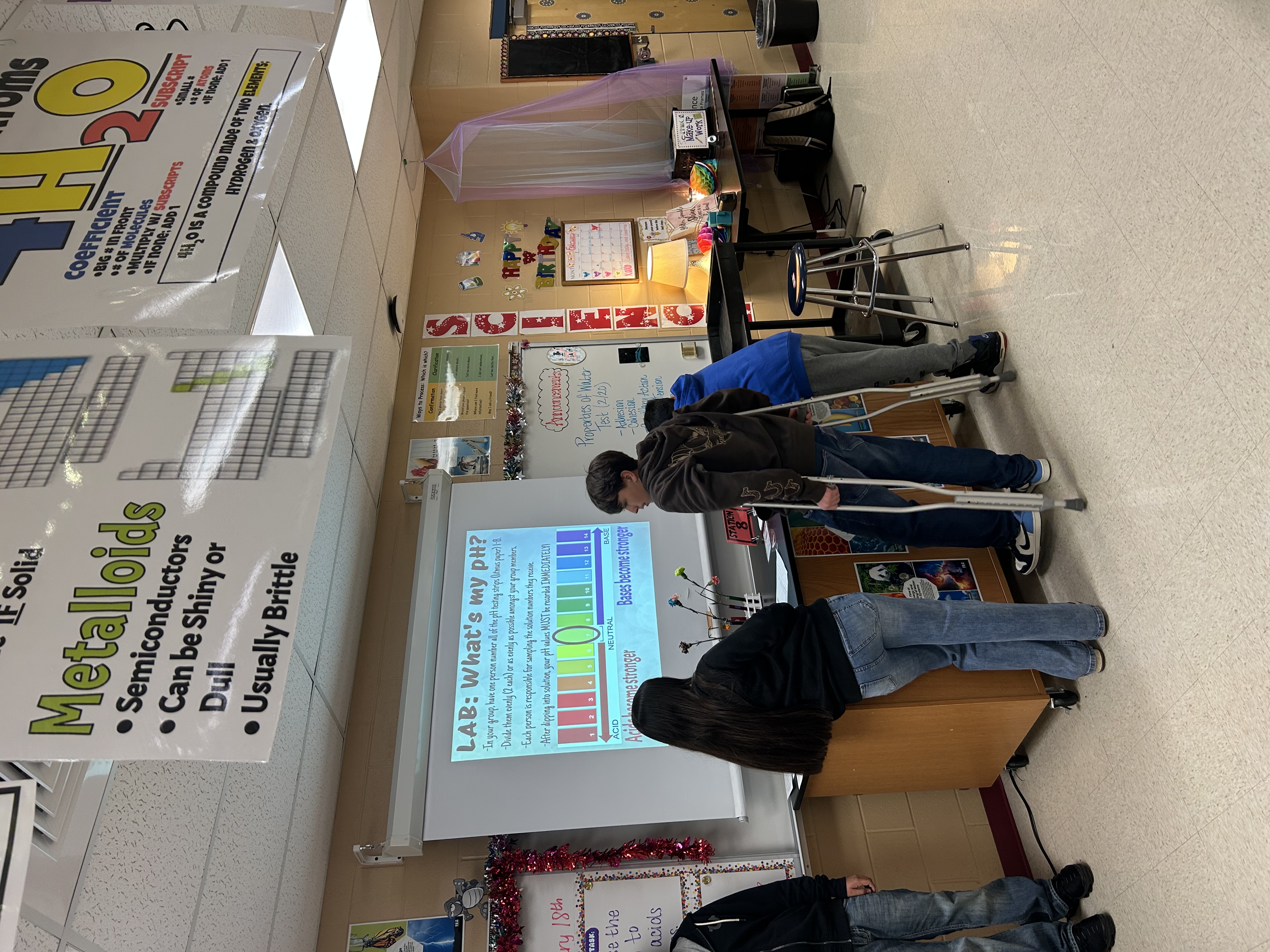
8th grade Lab day
🧪 What Students Explored Today: pH and Solution Characteristics
Topic: Identifying and describing the characteristics of acidic and basic solutions.
What students practiced:
- Using the pH scale to determine whether a solution is acidic, basic, or neutral.
- Observing physical indicators such as color changes with pH paper or universal indicator.
- Recognizing common properties:
- Acids: sour taste, react with metals, pH < 7
- Bases: bitter/slippery, do not react with most metals, pH > 7
- Comparing different household or lab solutions to see how their pH values differ.
- Making evidence‑based claims about why a solution is classified as acidic or basic.
Why this matters:
Understanding pH helps students connect chemistry to real‑world contexts — from food and cleaning products to environmental science and biology. It also builds foundational skills for future lab work and scientific reasoning.
THEY DID A GREAT JOB AS SCIENTISTS!
1
2
3
1
2
3
🌿 Meditation Club Update: Creating Calm, Connection, and Vision
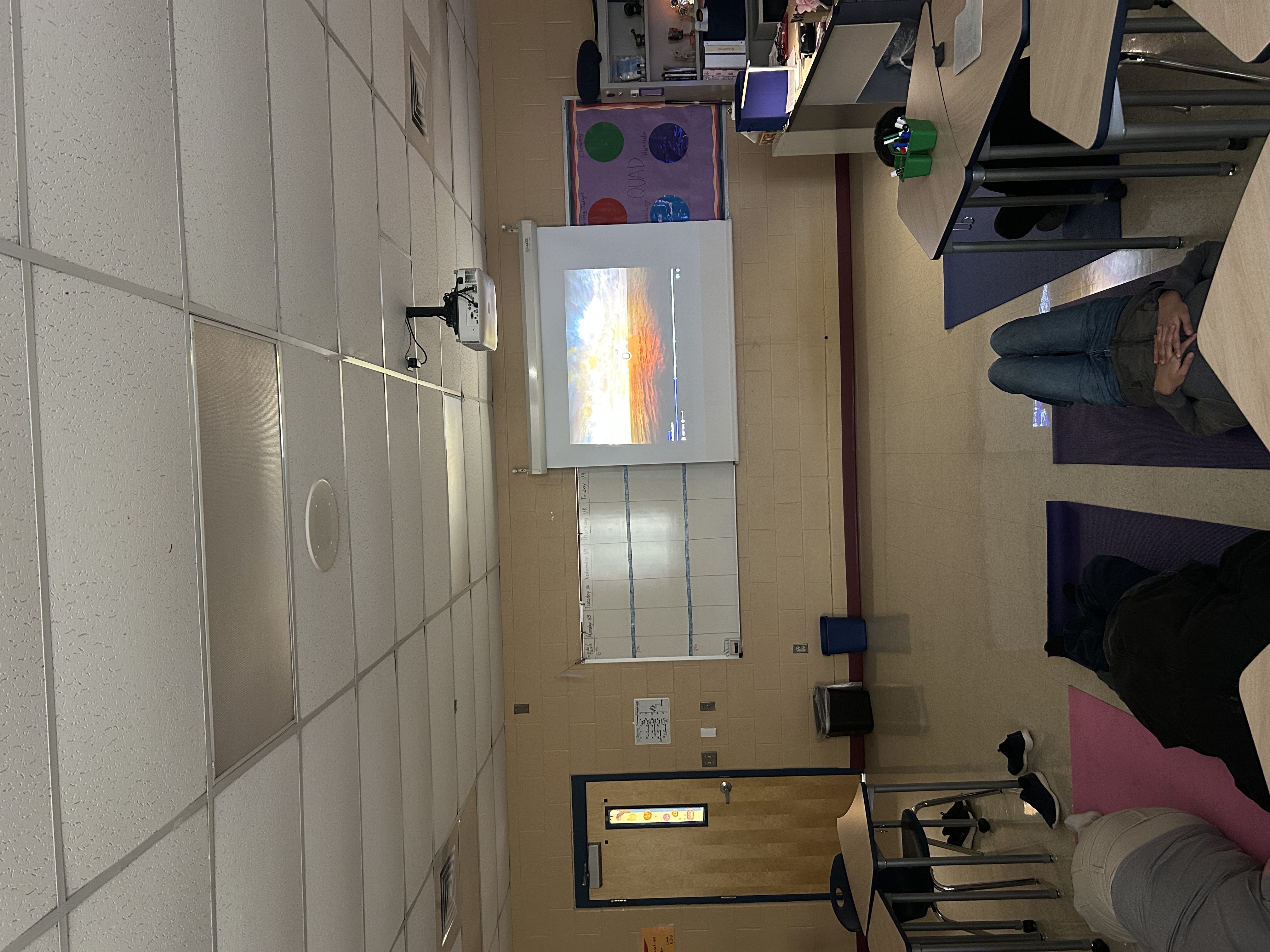
Our Meditation Club continues to offer a safe, welcoming space where students can slow down, share their thoughts, and set positive intentions for the week. The group has embraced the soothing lavender scent and calming frequency sounds, which help create an atmosphere of peace and focus.
This week, we’re taking our mindfulness practice a step further by beginning vision boards. These boards will allow students to:
- Identify personal goals, dreams, and aspirations
- Visualize academic, emotional, or professional strategies
- Translate abstract ideas into concrete, motivating images
- Build confidence by seeing their intentions represented visually
Vision boards are a powerful tool for self‑reflection and motivation, helping students turn hopes into actionable steps while staying grounded in the present.